How to Find Authentic Pakistani Food Near Me
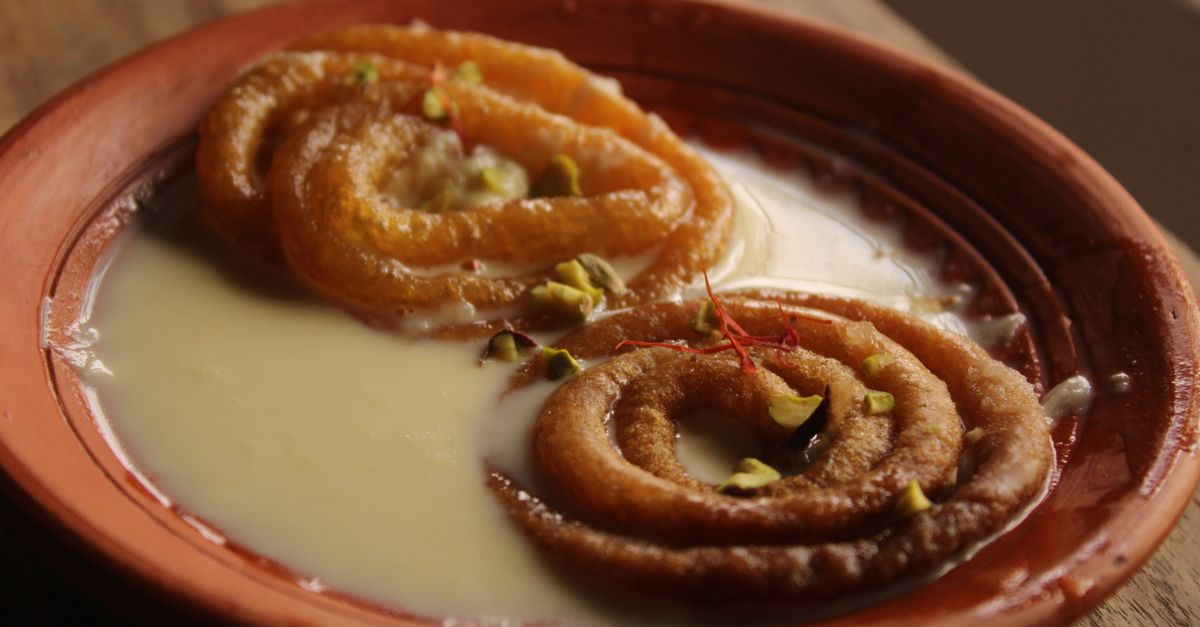
If you're wondering how to find authentic Pakistani food near me, start with one simple truth: authenticity isn’t always on the menu—it’s in the details. It’s the scent of freshly ground garam masala hitting the air before you walk in, the way biryani is layered and slow-cooked, or how the chai tastes like it came from someone’s grandmother’s stove—not a powdered mix. At SpiceSpot Near Me, we don’t just list places; we help you recognize the signs of genuine flavor. No gimmicks. No generic ‘South Asian’ labels hiding bland compromises. Just real, rooted, resonant Pakistani cooking—close enough to walk to.
Look Beyond the Name—and Check the Menu Twice
A restaurant named 'Royal Punjab Grill' sounds promising—but names can be misleading. Flip to the menu and scan for regional specificity. Authentic spots often highlight dishes from Lahore, Karachi, Peshawar, or Hyderabad (Sindh), not just 'chicken curry' or 'vegetable biryani.' Look for nihari served at dawn, sajji cooked over open flame, or dahi baray made with house-fermented yogurt. If the menu lists halwa puri as a weekend special—or offers sheer khurma during Ramadan—it’s likely run by people who eat this food daily, not just serve it. Also, watch for Urdu or Roman Urdu dish names (gol gappay, not 'Pakistani pani puri'). That small detail often signals cultural continuity—not translation-by-Google.
Read Between the Lines of Google Reviews
Scroll past the five-star raves about 'great service' and hunt for clues in the three- and four-star reviews. That’s where real diners drop gold: 'The karahi tasted exactly like my aunt’s in Faisalabad,' or 'They grind their own spices—I watched them do it.' Look for mentions of family-run kitchens, Urdu-speaking staff, or customers ordering takeout for Eid feasts. Bonus points if reviewers reference specific neighborhoods back home ('tastes like Clifton, Karachi') or compare dishes to street stalls in Lahore. And yes—check photo uploads. Real chapli kebabs have visible herbs and uneven char, not uniform golden patties. A blurry pic of phirni in a clay pot? That’s usually a good sign.
Ask the Right Questions—Before You Even Sit Down
Call ahead. Not to book—just to listen. Ask, 'Do you make your own ghee?' or 'Is the nihari slow-braised overnight?' A confident 'Yes—and we use bone-in shank' beats a vague 'We follow traditional methods.' Another tell: if they offer freshly made roti (not pre-packaged) or let you choose between tandoori or griddle-cooked naan, that’s hands-on care. Some places even invite regulars into the kitchen to see the dum process for biryani. Don’t hesitate to ask, 'Where’s the chef from?'—and listen closely to the answer. A reply like 'Multan, been here 22 years, still cooks every Friday' carries more weight than 'Pakistan' alone. This is how you find how to find authentic Pakistani food near me—by listening, not just scrolling.
Follow the Spices—and the Smell
Walk in and pause for three seconds. What hits you first? Burnt garlic? Cumin blooming in hot oil? Cardamom pods cracking open in simmering milk? Those aren’t background notes—they’re signatures. Authentic Pakistani kitchens treat spices like instruments, not seasoning. You’ll smell whole cloves in qorma, not just ground ones. You’ll catch the sharp tang of dried mango powder (amchoor) in bhindi, or the warm sweetness of saffron in zarda. If the air feels neutral—or smells mostly of fryer oil—that’s a red flag. Also, peek at the spice rack behind the counter. Real spots stock shahi jeera, black stone flower (kalonji), and fresh green chilies—not just paprika and cayenne. That’s how locals know where to go when they ask how to find authentic Pakistani food near me.
Frequently asked questions
Can I trust delivery apps to find authentic Pakistani food?
Sometimes—but filter carefully. Skip generic 'Indian & Pakistani' listings. Instead, search for Urdu menu items, check if photos show hand-rolled parathas or copper degchis, and read reviews mentioning regional dishes like sindhi biryani or peshawari chapli. Apps like DoorDash rarely show prep methods—so cross-reference with Google Maps reviews.
What if there’s only one Pakistani restaurant in my city?
That’s actually promising. Family-run solo spots often double as cultural hubs—hosting Eid dinners, selling homemade murabba, or offering cooking classes. Call and ask if they source halal meat locally or import key spices from Pakistan. Longevity matters too: if they’ve been open 10+ years, they’ve earned local trust the old-fashioned way.
Does 'halal-certified' guarantee authenticity?
Not necessarily. Halal refers to slaughter method—not flavor, technique, or origin. A certified spot might serve perfectly fine chicken tikka—but if the marinade uses store-bought yogurt and no ginger-garlic paste, it won’t taste like home. Authenticity lives in the how, not just the what.
How important is the dessert menu?
Very. Real Pakistani sweets aren’t just afterthoughts. Look for gulab jamun soaked in rose-scented syrup (not fluorescent pink), kheer cooked with full-fat milk and cardamom—not evaporated milk, and seviyan made fresh for Eid. If desserts are outsourced or listed as 'available upon request,' that’s a subtle clue the kitchen prioritizes savory craft over shortcuts.